A connected framework for advancing non-animal technologies

The Non-Animal Technologies Network (NAT-Net) is organised into three complimentary / interconnected pillars to accelerate the development, validation, and adoption of non-animal technologies in health and medical research.

Together, the pillars ensure that scientific innovation is supported by the right infrastructure and regulatory pathways to real-world use.

Research drives discovery, infrastructure enables scale and reproducibility, and training ensures capability and uptake across the sector.

Research Pillar

Advancing non-animal technologies through collaborative research

The Research Pillar brings together leading researchers to develop and apply non-animal technologies in health and medical research. It focuses on collaboration across institutions and disciplines to build human-relevant models of disease that improve the study of mechanisms, therapeutic response, and translation.

A central focus is the development of Complex in vitro Models (CiVMs) — integrated human cell and tissue systems designed to reflect key aspects of human biology without the use of animals.

Research Pillar Themes

The Research Pillar is structured around four research themes. Each theme addresses a distinct biological area while contributing to shared model development and cross-theme collaboration.

Cardiovascular

Developing human, multi-system models of cardiovascular disease to support improved understanding and treatment of conditions such as cardiac arrhythmias.

Theme Lead: A/Prof Adam Hill
A/Prof Adam Hill

Nervous System

Building complex human brain and retinal models to study neurological and neurodegenerative disease and support the development of emerging therapies.

Theme Lead: A/Prof Anai Gonzalez-Cordero
A/Prof Anai Gonzalez-Cordero

Epithelial Systems

Creating integrated epithelial and immune models to study multi-organ disease and variability in treatment response for conditions such as cystic fibrosis.

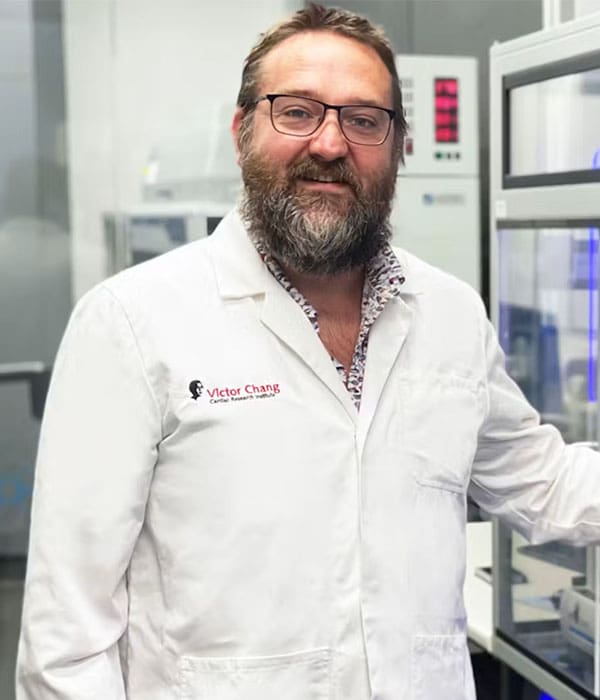
Theme Lead: Scientia A/Prof Shafagh Waters
A/Prof Shafagh Waters

Bioengineering

Developing bioengineering approaches that enable the maturation, integration, and functionality of complex in vitro models.

Theme Lead: Prof Majid E. Warkiani
Professor Majid E. Warkiani

Research Pillar Competitive Grant Scheme

The Research Pillar ran a competitive grant scheme in 2025 to support collaborative, NSW-led research projects that advance innovative non-animal technologies in health and medical research.

The scheme is funded by NSW Health and administered by The University of New South Wales.

Regulatory Pillar

Supporting regulatory confidence in non-animal technologies

The Regulatory Pillar focuses on supporting understanding, dialogue, and alignment around the regulatory use of non-animal technologies in health and medical research. Its role is to bring together stakeholders nationally to explore how emerging non-animal approaches can be evaluated, validated, and appropriately used within existing and future regulatory frameworks.

Why regulatory engagement matters

For non-animal technologies to deliver impact beyond research, there must be confidence that data generated using these approaches are fit for purpose in regulatory and decision-making contexts.

Regulatory pathways for non-animal technologies are evolving rapidly, both in Australia and internationally. Researchers, industry, and regulators are navigating new questions around validation, comparability, standards, and evidence requirements.

The Regulatory Pillar provides a space to share knowledge, surface challenges, and build common understanding across these groups.

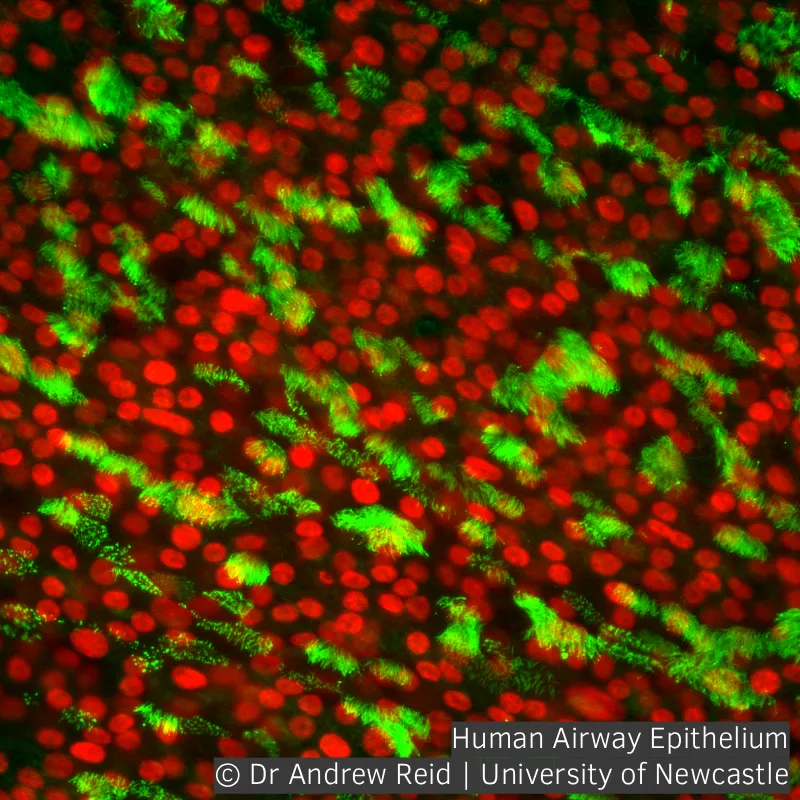
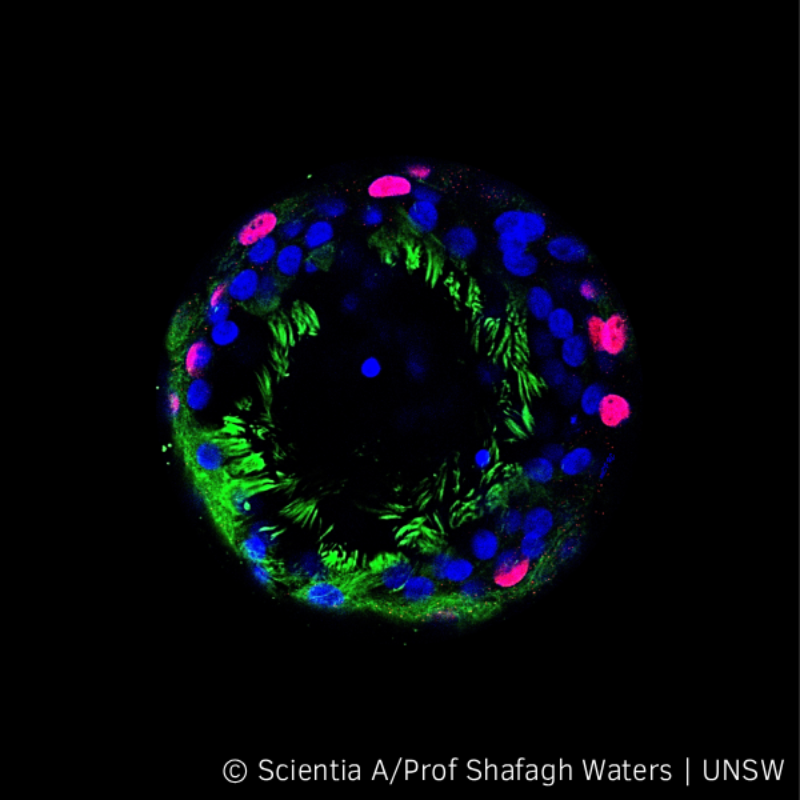
Andrew Reid. Human airway epithelium
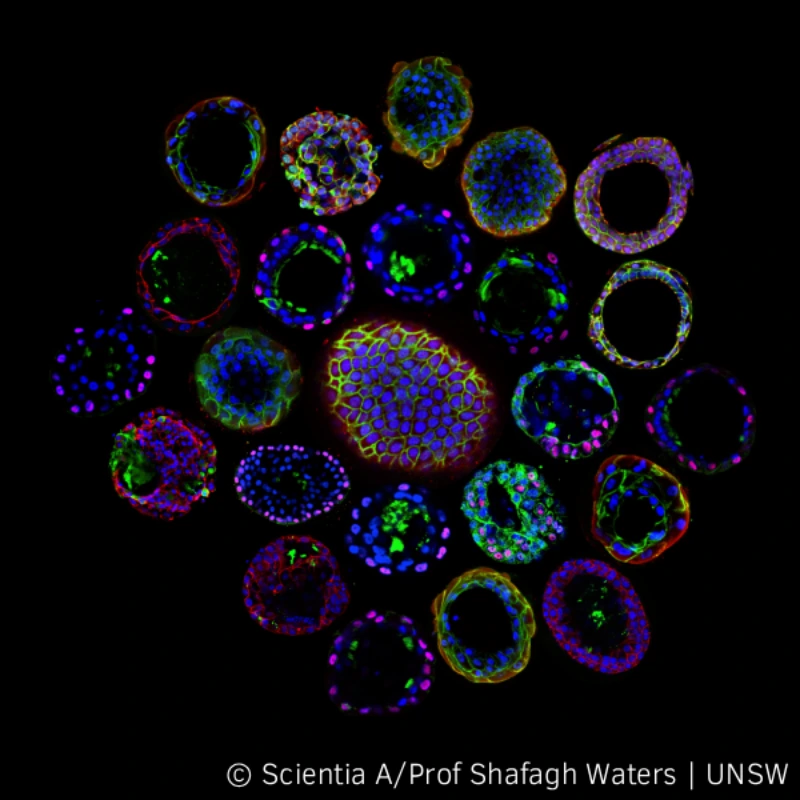
A/Prof Shafagh Waters, Regeneration and Stem cell Translational Research Group, UNSW

How this connects to the other pillars

The Regulatory Pillar works alongside the Research Pillar to ensure emerging models are developed with regulatory relevance in mind, and with the Infrastructure Pillar to support quality, standardisation, and reproducibility. Together, the pillars support a coordinated pathway from innovation to responsible use.

National Perspective

While NAT-Net is supported through NSW, the Regulatory Pillar operates with a national lens, recognising that regulatory confidence and alignment require engagement across jurisdictions and sectors. The pillar aims to complement, not duplicate, existing regulatory and standards-setting activities.

Current members include the Therapeutic Goods Administration Australia, Office of the Gene Technology Regulator, and other relevant regulatory agencies.


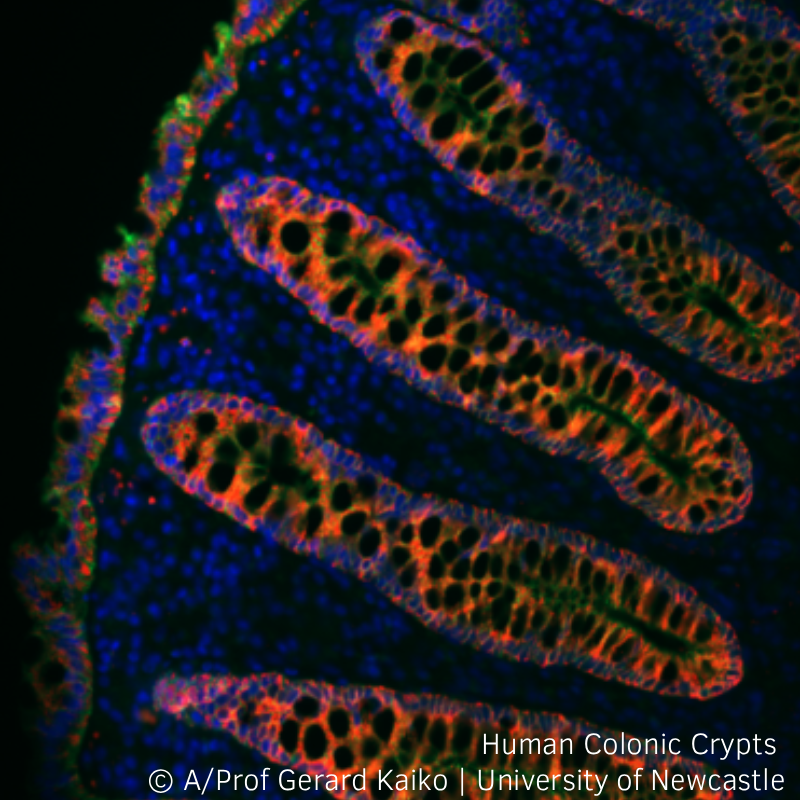
Gerard Kaiko. Human Colonic Crypts

Infrastructure Pillar

Laying the foundations for non-animal technologies

The Infrastructure Pillar focuses on understanding, coordinating, and strengthening the infrastructure needed to support non-animal technologies in health and medical research. Its initial role is to map existing capabilities, identify gaps, and support informed planning for future infrastructure investment across New South Wales and nationally.

Why infrastructure matters

Non-animal technologies rely on specialised platforms, expertise, and environments. While many capabilities already exist across institutions, they are often distributed, unevenly visible, or difficult to access.

Without a clear view of current infrastructure and future needs, it is challenging to plan coordinated investment or support broader adoption of non-animal approaches.

The Infrastructure Pillar aims to address this by taking a whole-of-system view of infrastructure requirements, informed by researchers, industry, and other stakeholders.

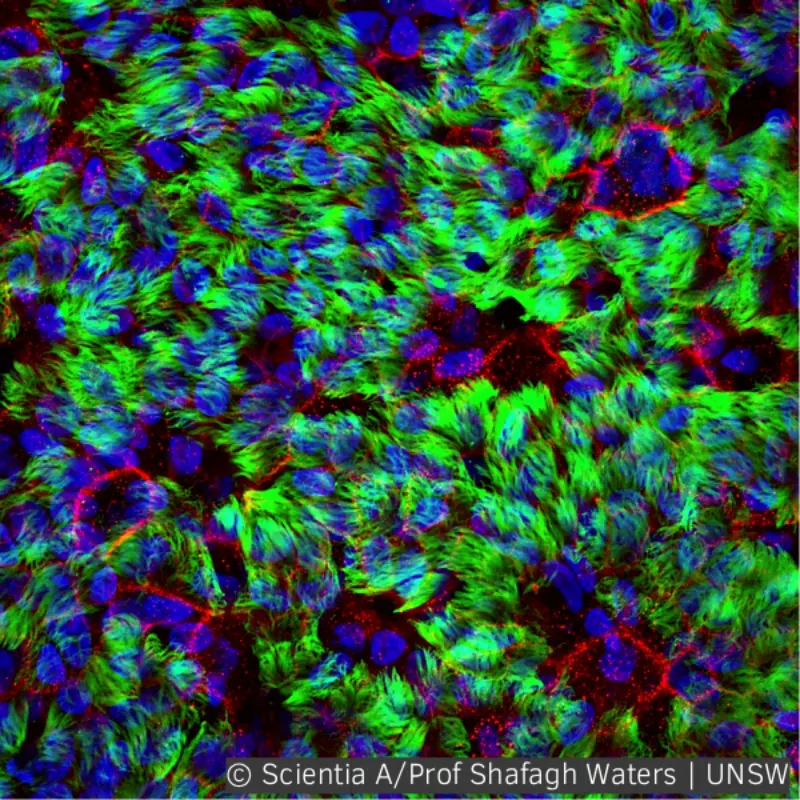
A/Prof Shafagh Waters, Regeneration and Stem cell Translational Research Group, UNSW

How this connects to the other pillars

The Infrastructure Pillar supports the long-term goals of NAT-Net by ensuring that research ambitions are grounded in practical capability and that future infrastructure planning aligns with regulatory expectations and workforce needs. It works alongside the Research Pillar and Regulatory Pillar to support a coordinated, system-level approach.


Looking ahead

As NAT-Net develops, the Infrastructure Pillar will evolve from mapping and planning toward supporting coordinated approaches to infrastructure development and access, in partnership with the research and health ecosystem.

Secret Link